Chinese Calligraphy
A reference on scripts, materials, and presentation
Chinese calligraphy is a classical art form in which language, material, and gesture are inseparable. Each work emerges from the interaction between script tradition, writing surface, and mode of presentation, all of which carry historical, technical, and cultural significance.
This page provides an overview of the principal script lineages, materials, and framing methods used in classical and contemporary practice, followed by a selected reading list for further study.
Script Traditions (书体)
In calligraphy, "scripts" are not fonts in the modern sense but historically evolved writing systems, each with its own visual logic and cultural role.
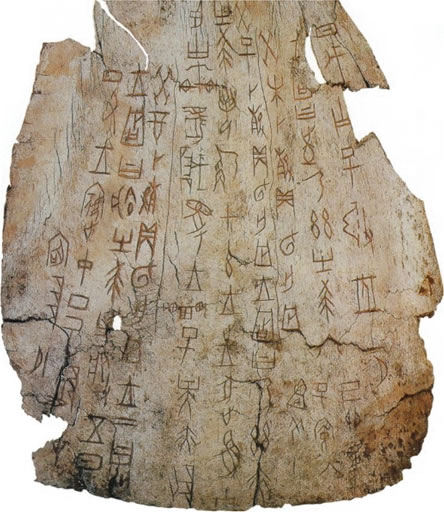
Oracle Bone Script(甲骨文)
The earliest known Chinese writing, incised on bones and shells during the Shang dynasty. Forms are pictographic and angular, reflecting ritual and divinatory origins.
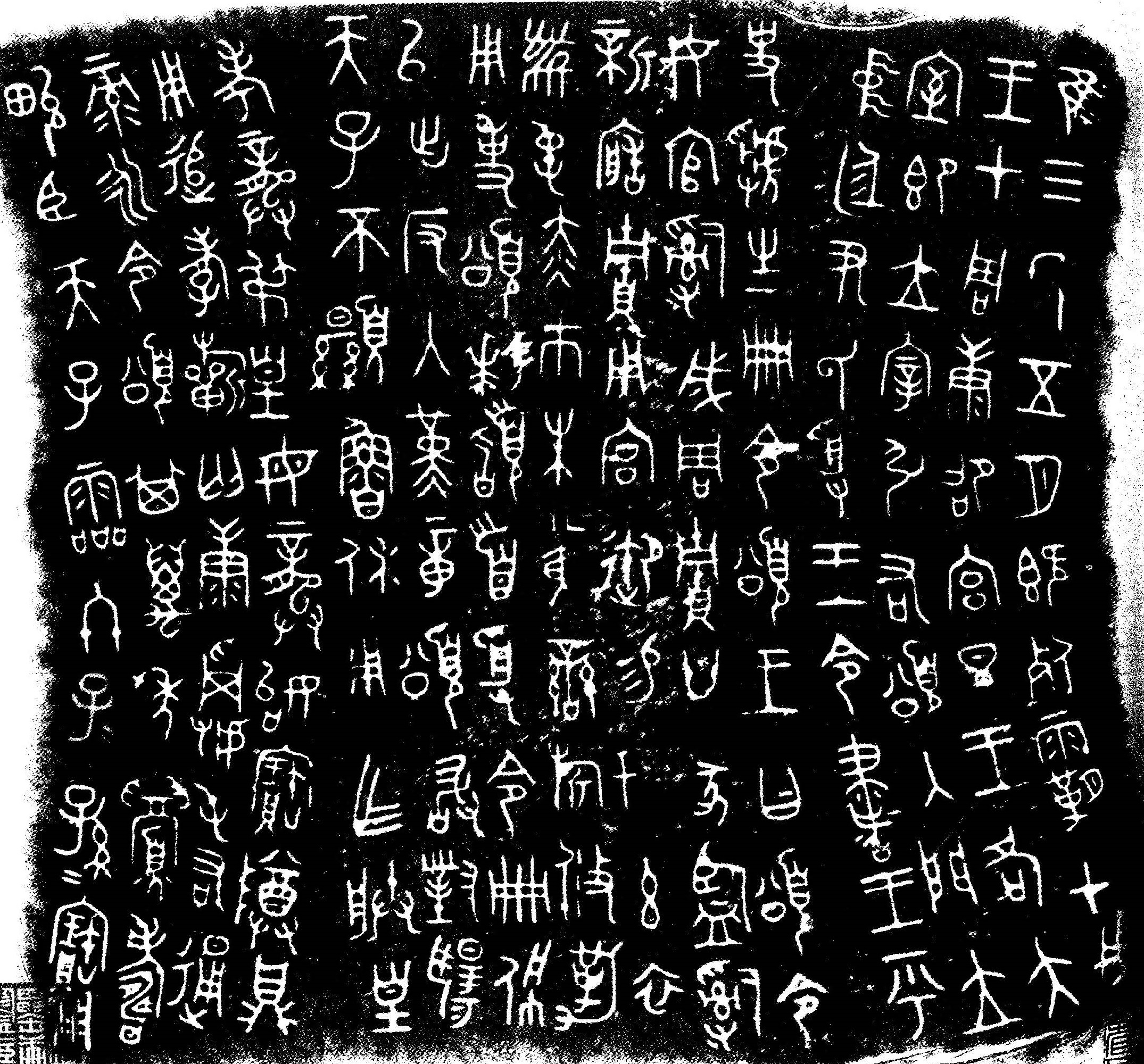
Bronze Script(金文)
Characters cast or engraved on ritual bronze vessels. Lines are rounded and expansive, emphasizing monumentality and authority.
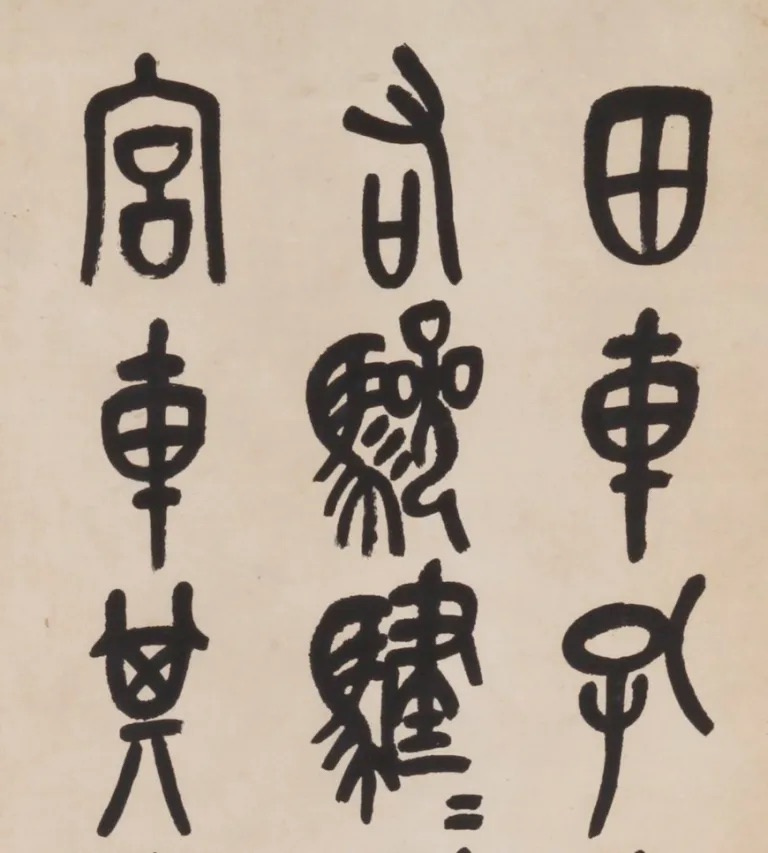
Seal Script(篆书)
Standardized in the Qin dynasty. Even, continuous strokes and symmetrical structure produce a timeless, meditative rhythm.
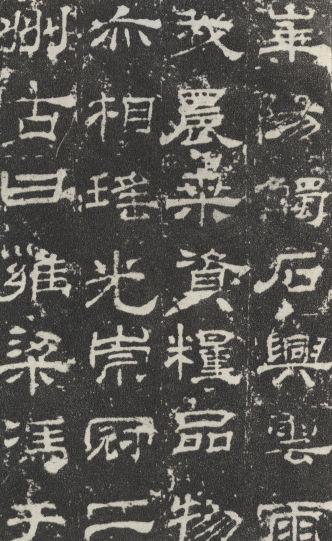
Clerical Script(隶书)
Developed in the Han dynasty. Broad horizontals and flared stroke endings give the script weight and architectural presence.
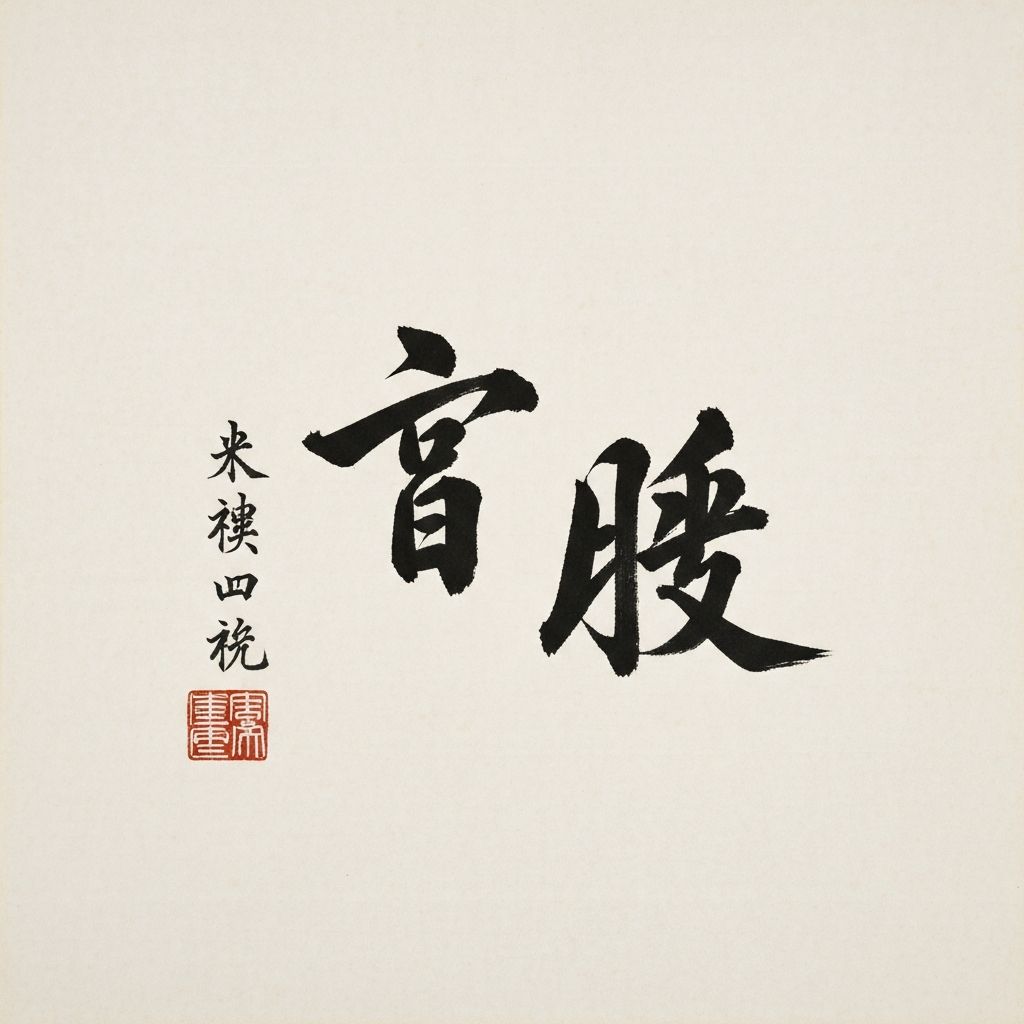
Regular Script(楷书)
The foundation of legibility and discipline. Every stroke follows regulated form, making it the standard for formal writing and study.
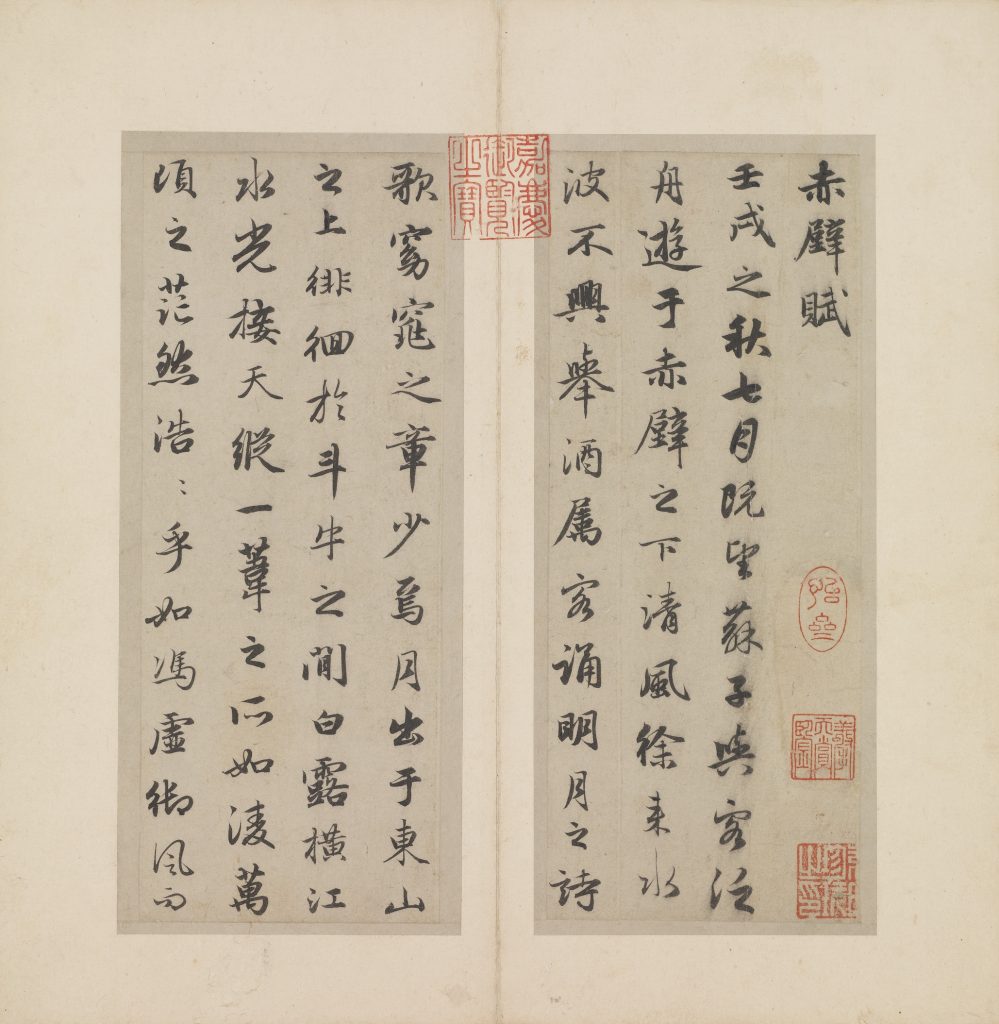
Running Script(行书)
A semi-cursive script balancing structure and freedom. Characters remain legible while allowing rhythmic continuity.
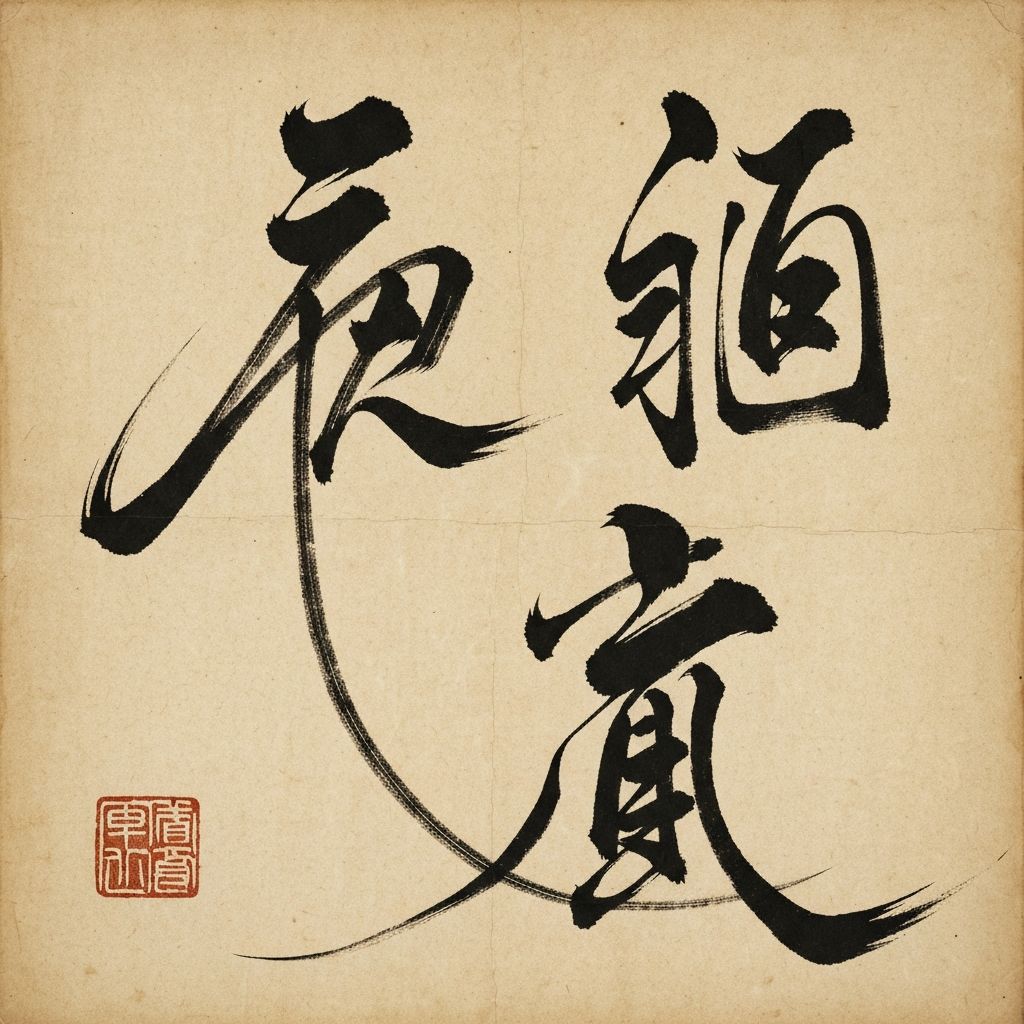
Cursive Script(草书)
Highly abbreviated and expressive. Prioritizes movement and spirit over legibility; traditionally reserved for advanced practitioners.
Writing Materials
Paper is not a neutral surface. It determines how ink breathes, how movement is recorded, and how a work endures over time.
The studio works with a small range of archival papers selected for their expressive integrity and longevity. Each material carries its own temperament—absorbing, resisting, revealing, or withholding ink in distinct ways. The choice of paper shapes not only the visual outcome, but the discipline required to execute the work.
Collectors may indicate a preferred paper below, or entrust the selection to the studio as part of the commission process.
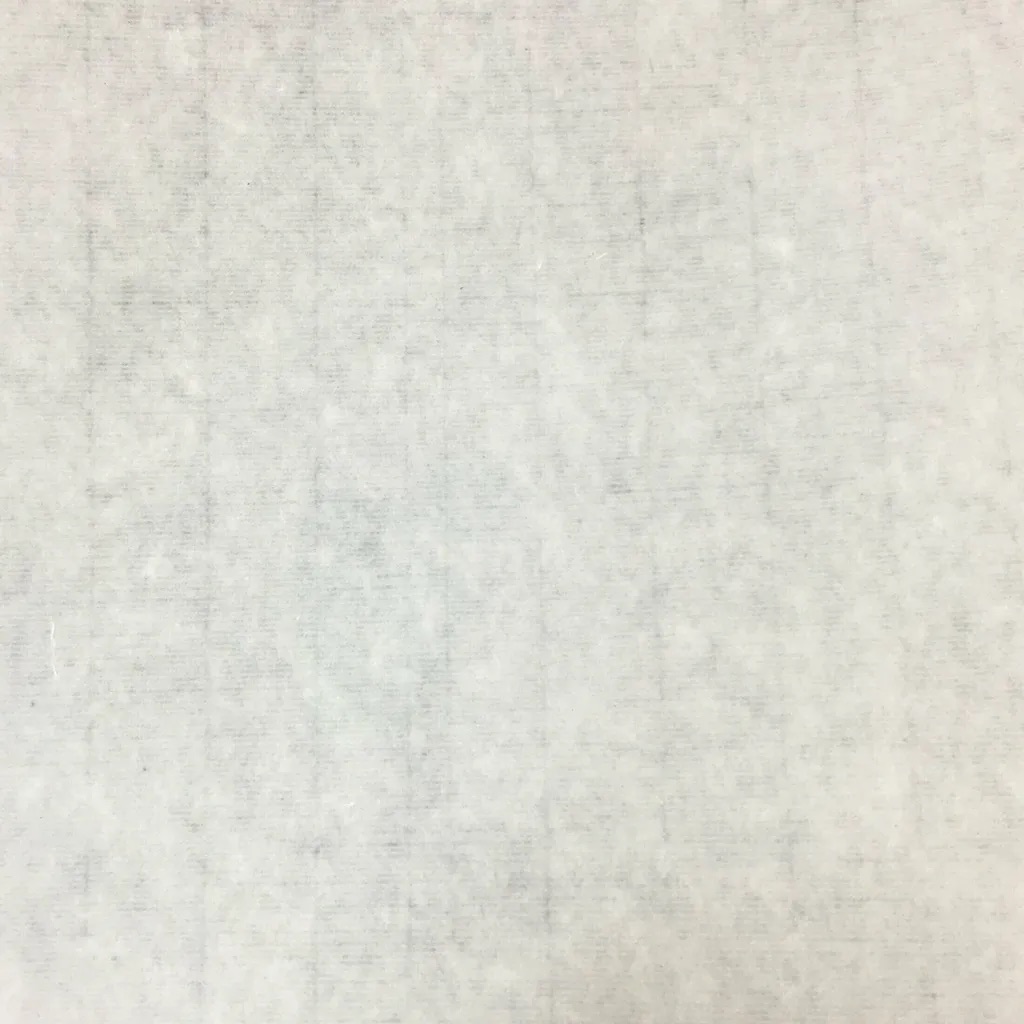
Raw Xuan Paper(生宣)
Highly absorbent and responsive, raw xuan records the full immediacy of the brush. Ink spreads organically, preserving rhythm, pressure, and spontaneity.
Expressive works · Cursive and semi-cursive scripts
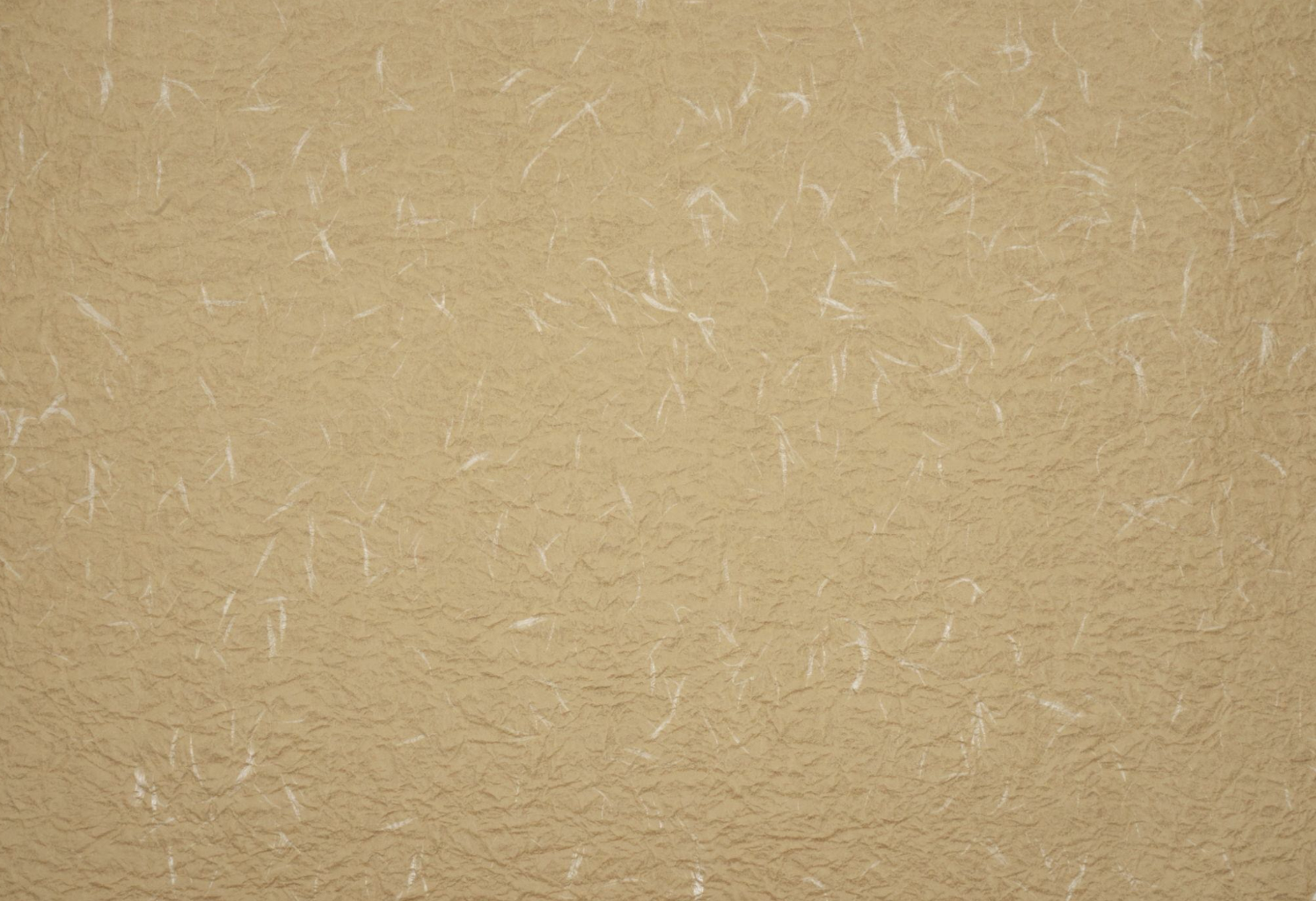
Mulberry Paper(楮纸 / Kozo)
A long-fiber paper valued for strength and longevity. The surface holds ink with restraint and permanence.
Archival works · Scrolls and institutional collections
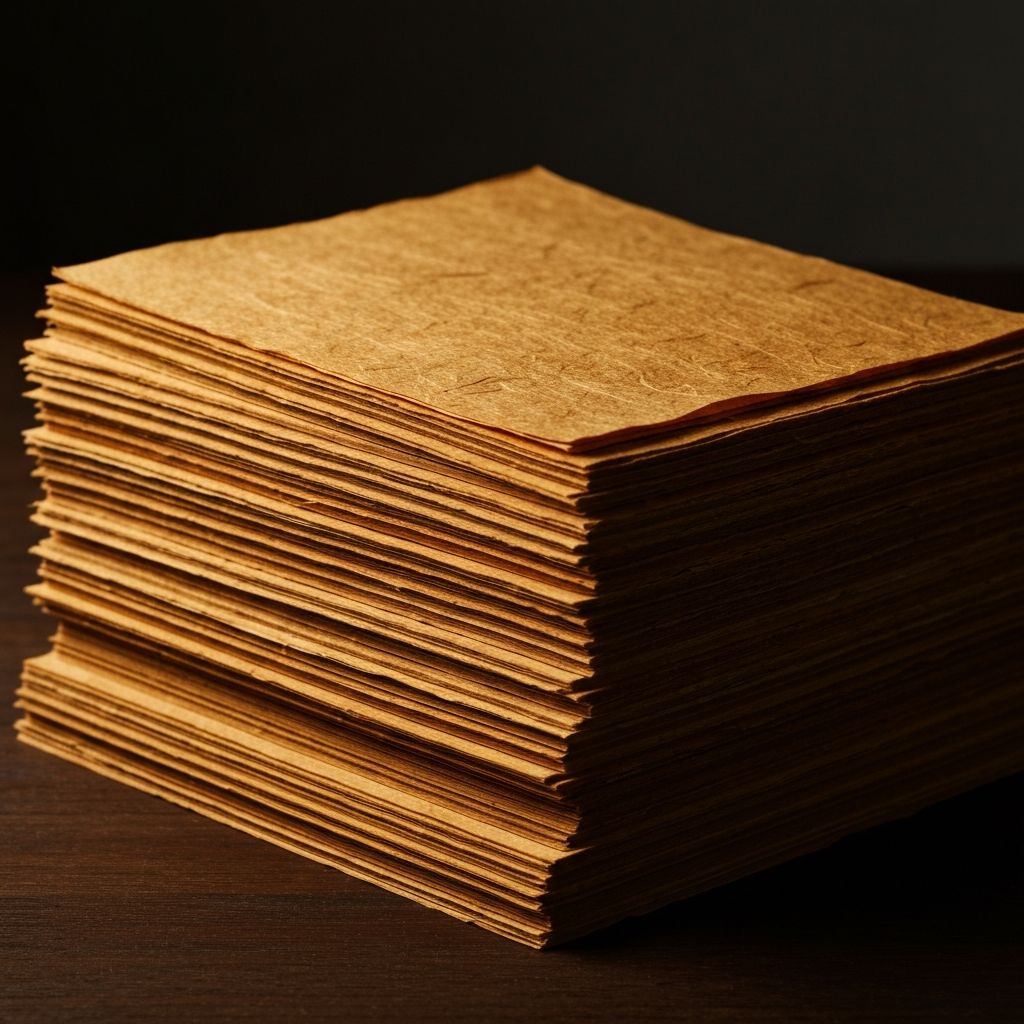
Bamboo Fiber Paper(竹纸)
Naturally textured with a subtle grain. Produces a dry, restrained line quality with quiet presence.
Minimalist compositions · Landscape-inspired works
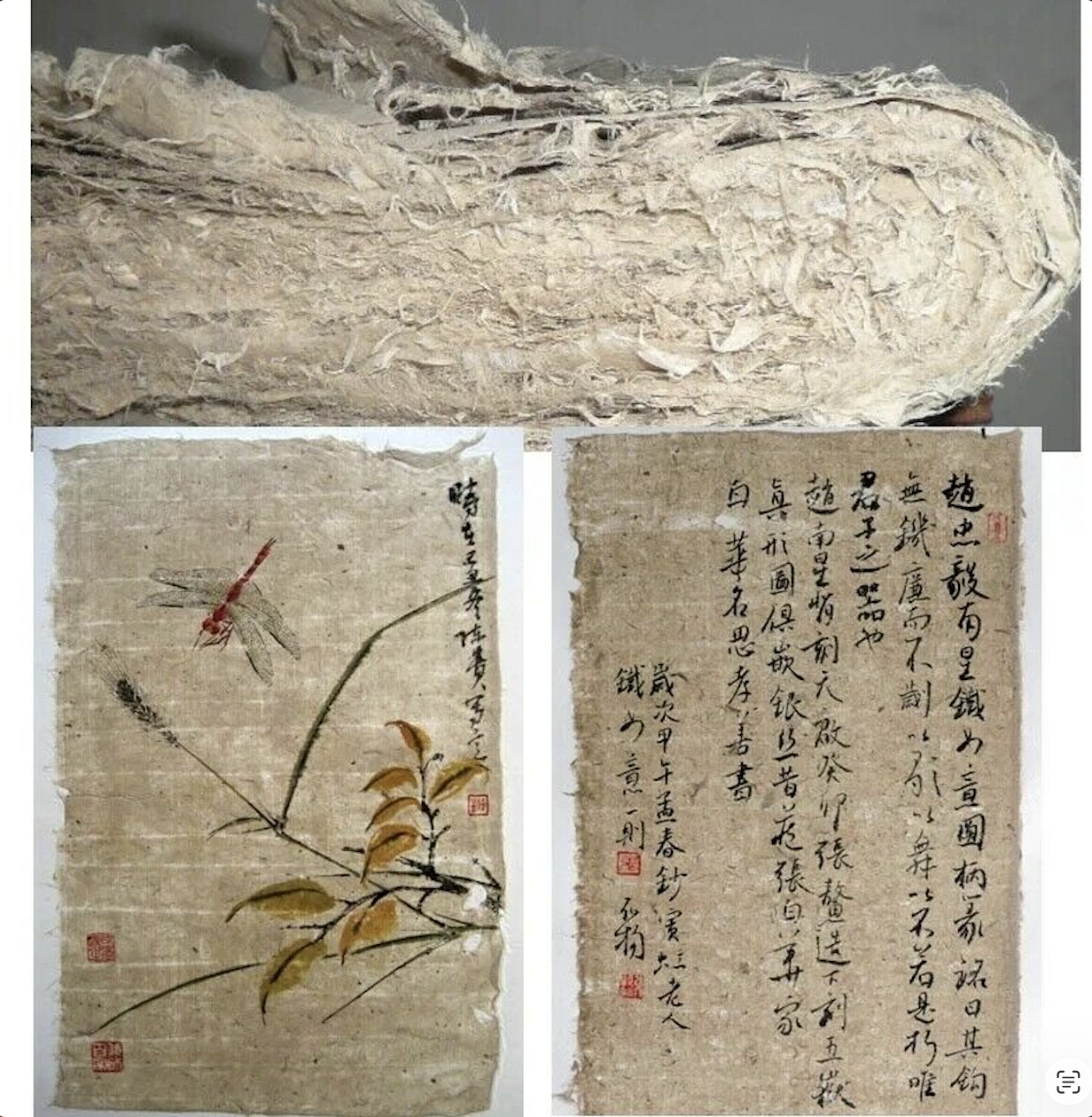
Hemp Fiber Paper(麻纸)
Dense and tactile, with pronounced fiber structure. Ink responds slowly, emphasizing weight and gravity.
Seal script · Monumental single-character works
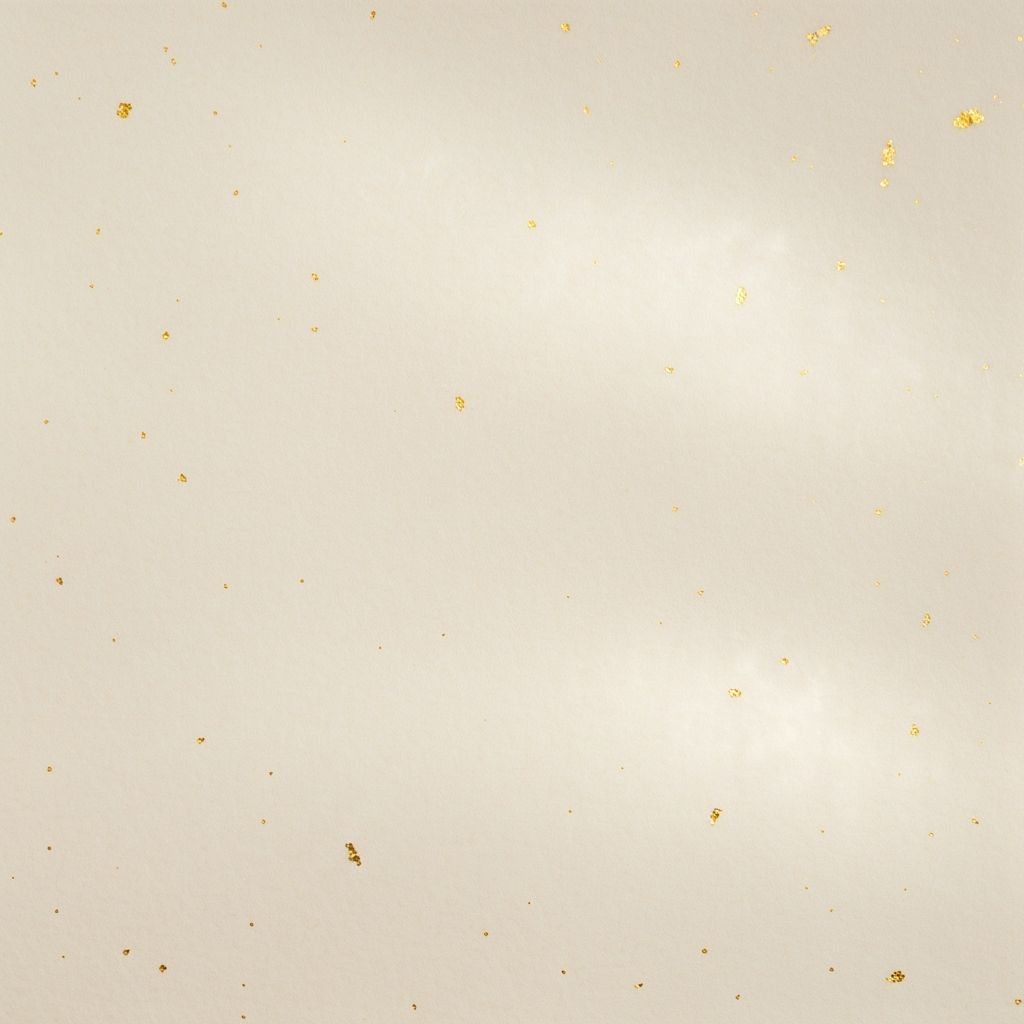
Gold-Speckled Xuan(洒金宣)
Traditional xuan paper with dispersed gold flecks, offering subtle luminosity under light.
Ceremonial commissions · Statement pieces
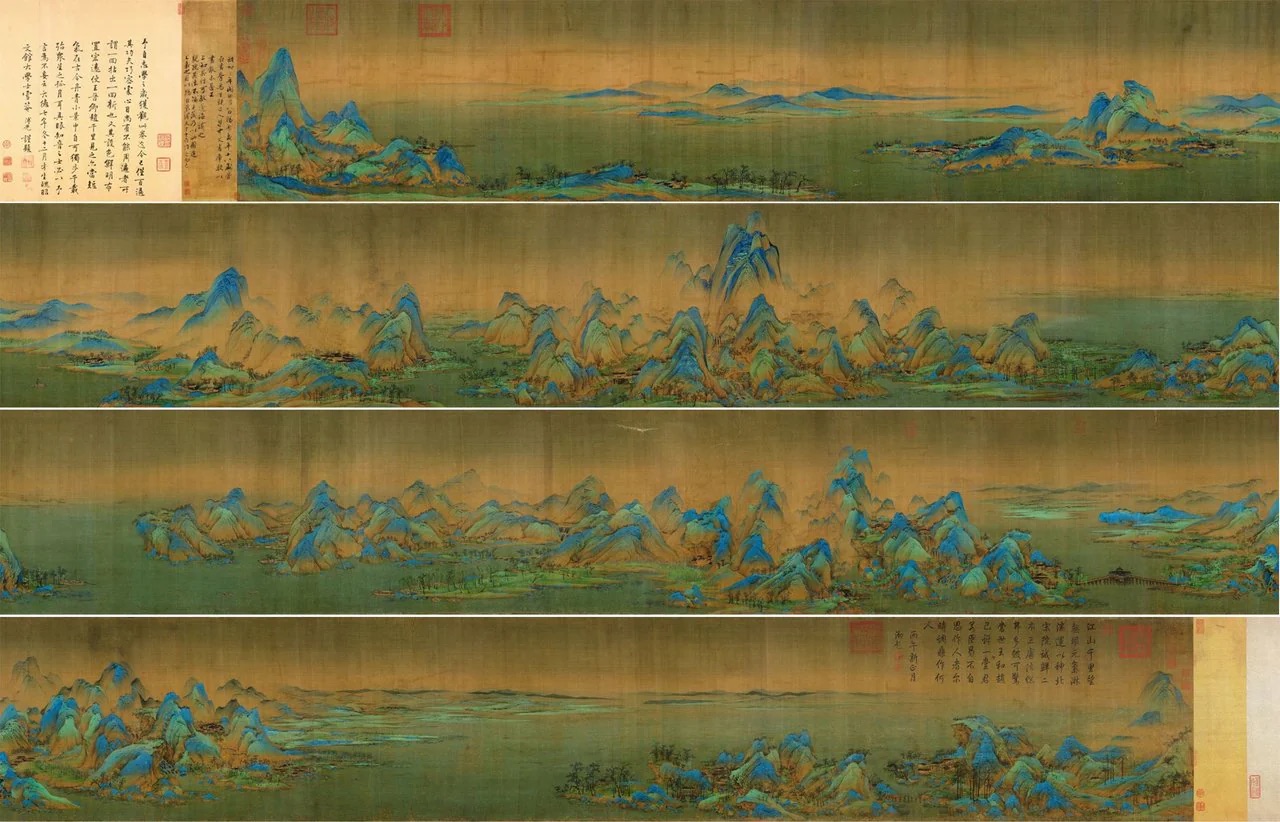
Silk(绢 / Silk Ground)
Smooth and tensile, silk resists absorption, holding ink on the surface with clarity and restraint. Execution must be deliberate; correction is impossible.
Formal inscriptions · Archival commissions
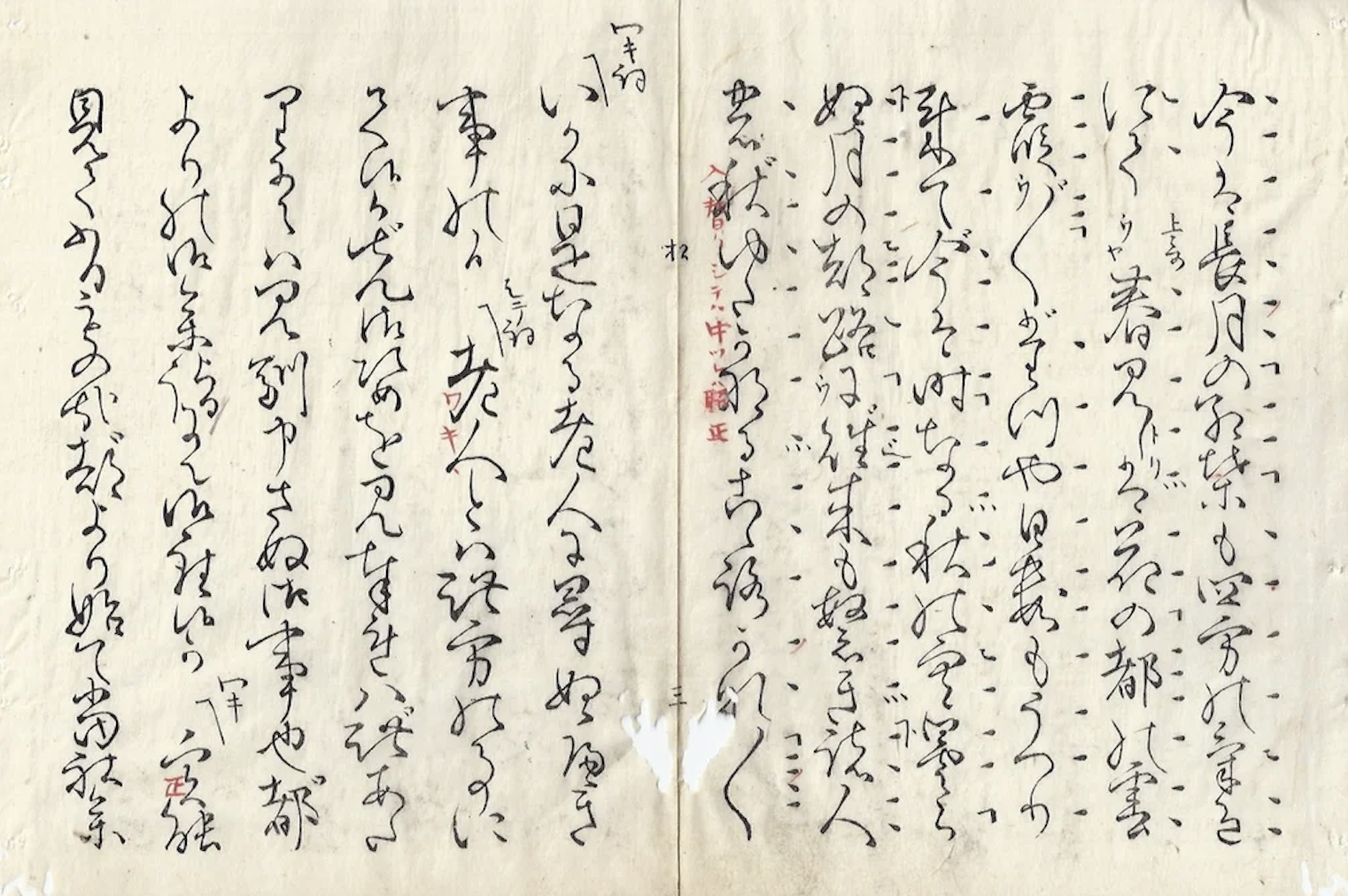
Washi(Japanese Handmade Paper)
Refined fibers and controlled absorbency produce a quiet, balanced surface.
Minimal compositions · Cross-cultural commissions
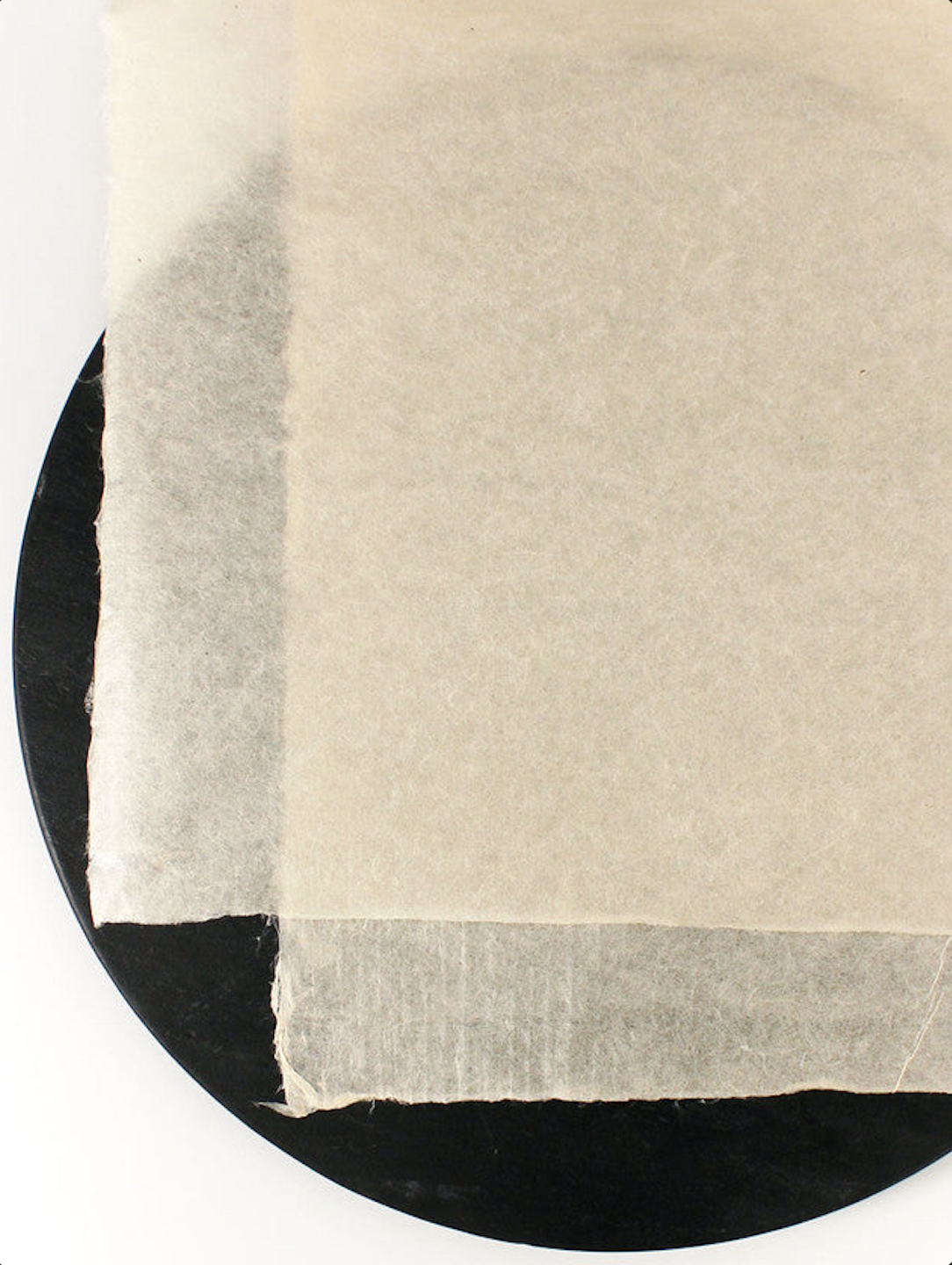
Gampi Paper
Naturally glossy surface with exceptional smoothness. Ink sits delicately on top of the fibers.
Fine line work · Poetic texts · Intimate scale pieces
Inscriptions(Stone, Wood, Metal)
Calligraphy carved into stone or metal, often preserved through rubbings. These works heavily influenced clerical and seal script aesthetics.
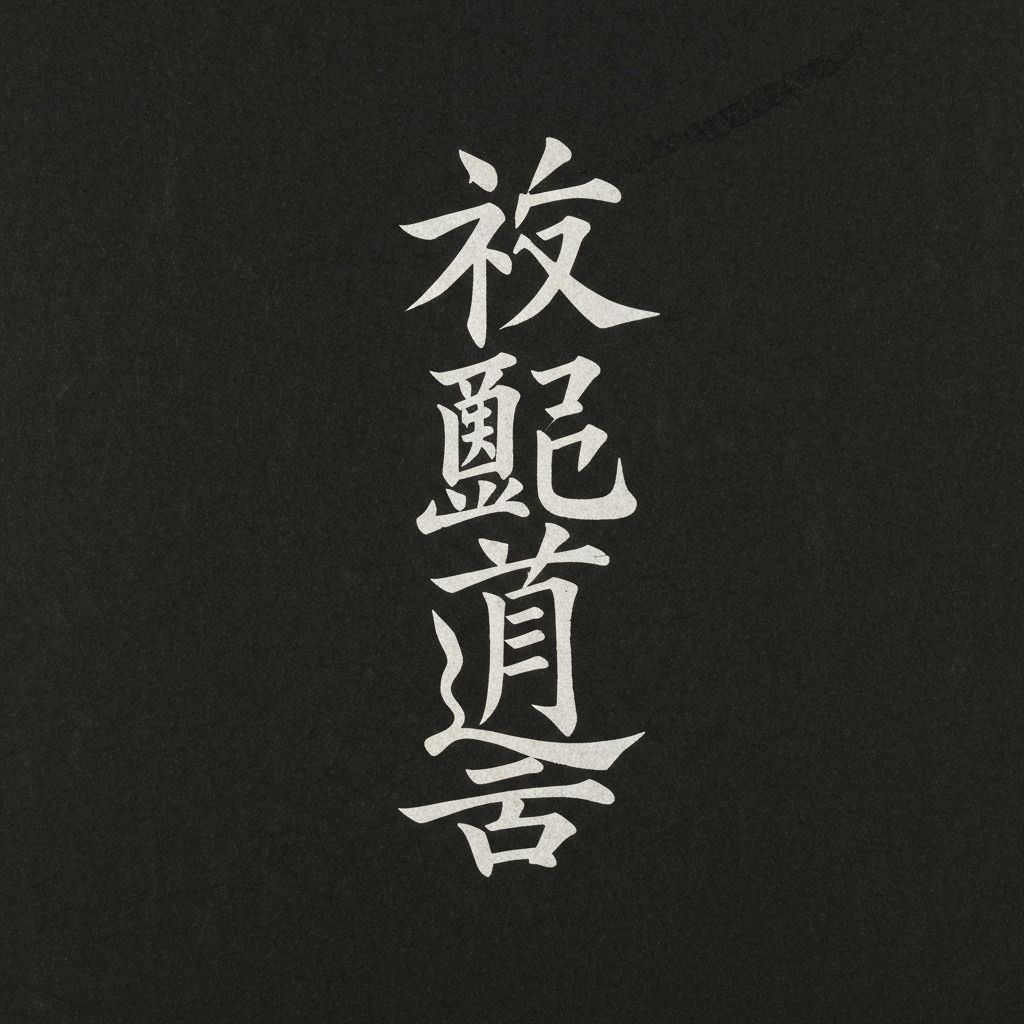
Notes on Selection
Not all papers are suitable for every script or scale. Final paper selection may be refined during the commission process to ensure structural integrity and long-term preservation.
Framing & Presentation
Presentation determines how a work is viewed, stored, and preserved.
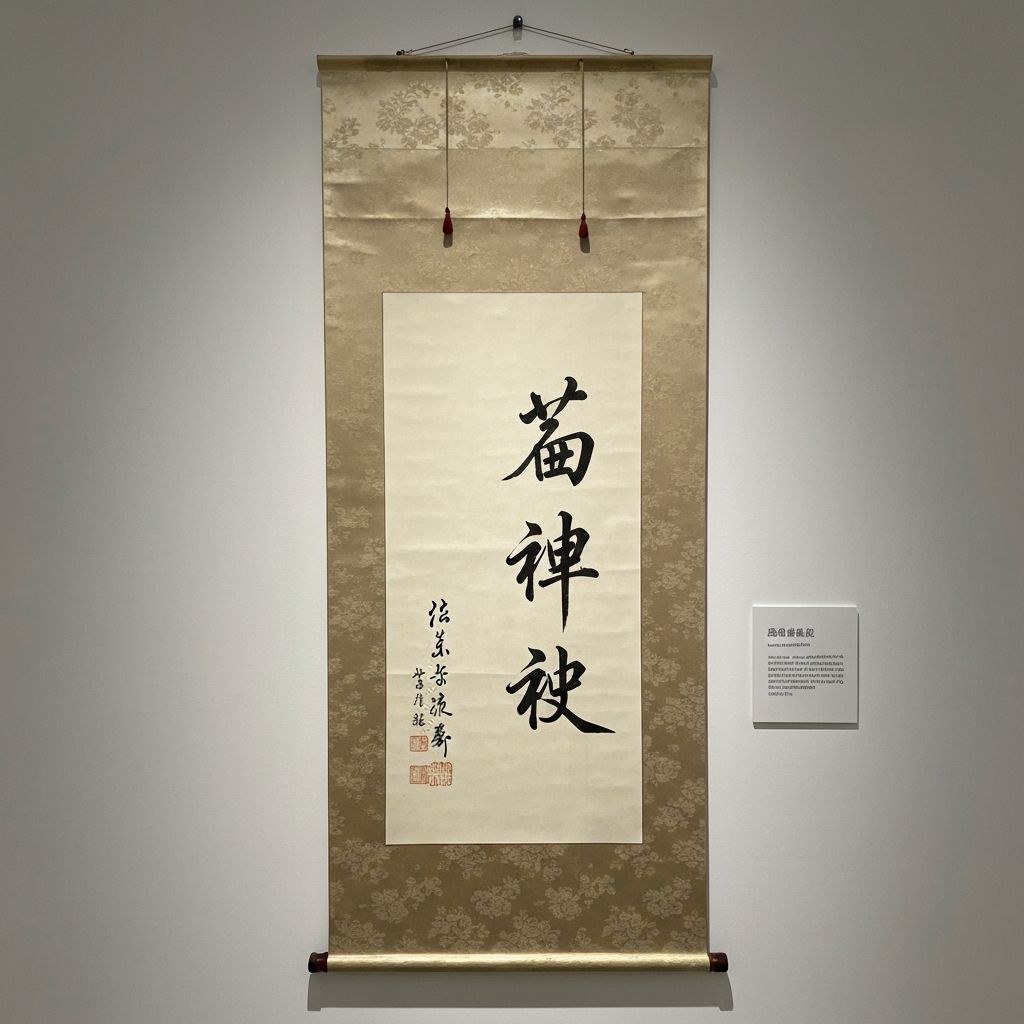
Hanging Scroll(立轴)
The canonical format for calligraphy. Mounted with silk and paper layers, designed for periodic display and long-term preservation.
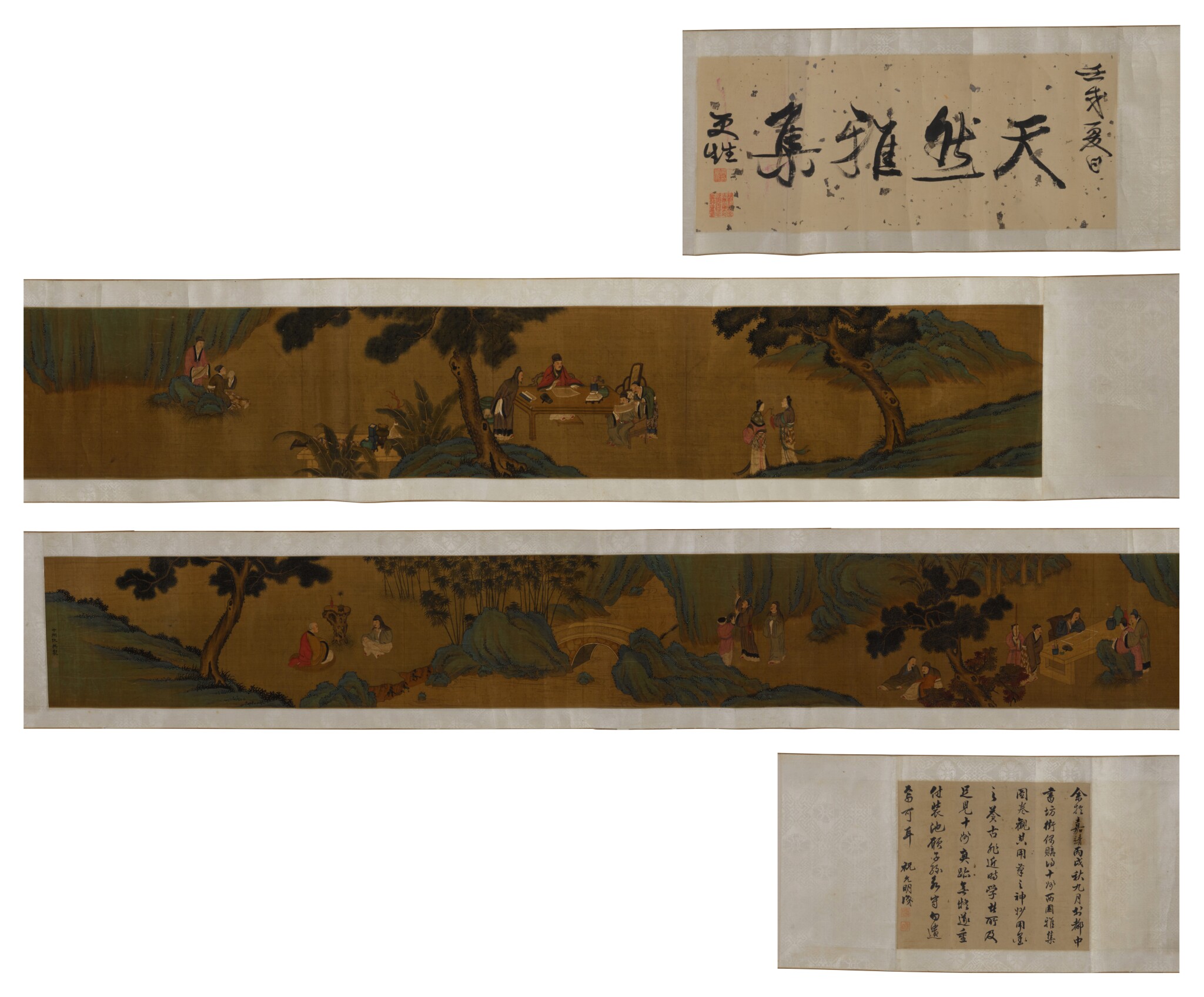
Handscroll(手卷)
A horizontal format intended for intimate, sequential viewing by hand.
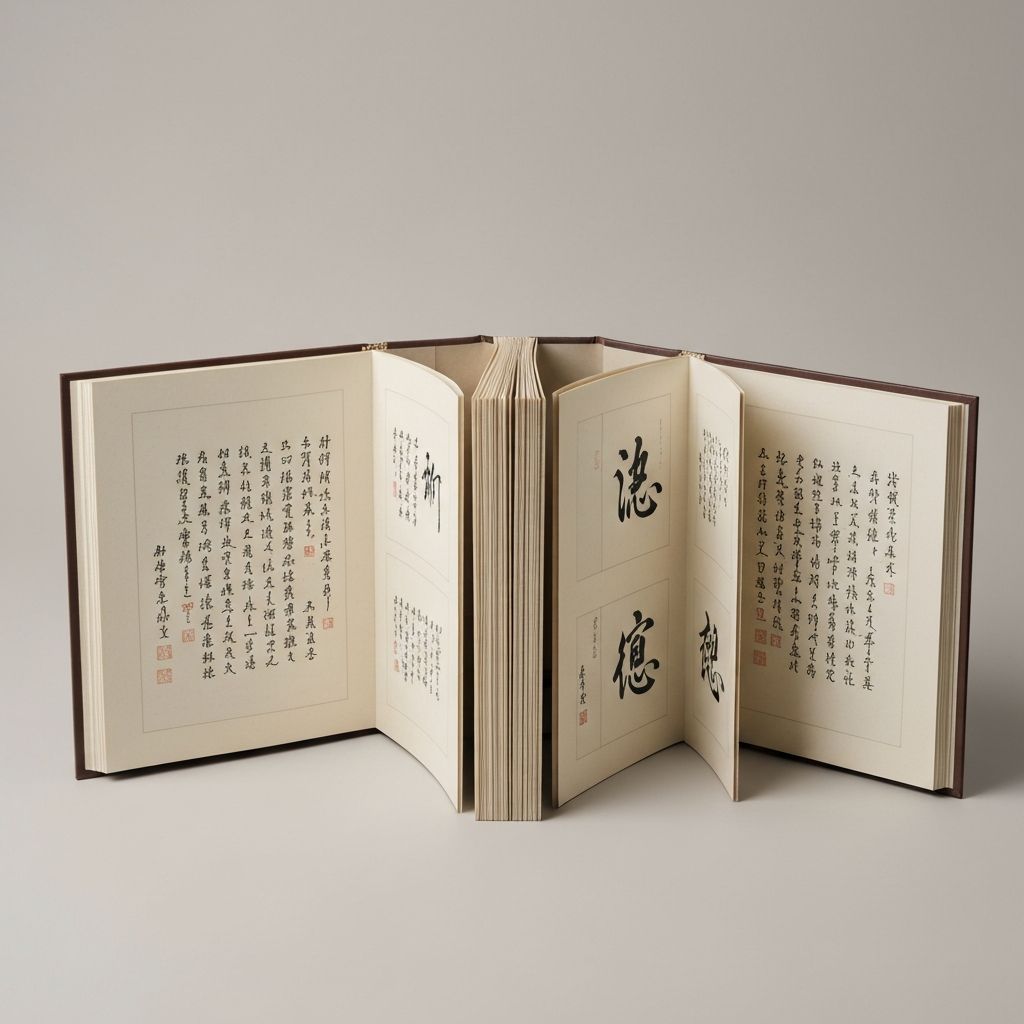
Album Leaves(册页)
Individual sheets bound or boxed together, emphasizing intimacy and repetition.
Floating / Museum Mount
A contemporary, reversible framing method that reveals the paper's edges and materiality.
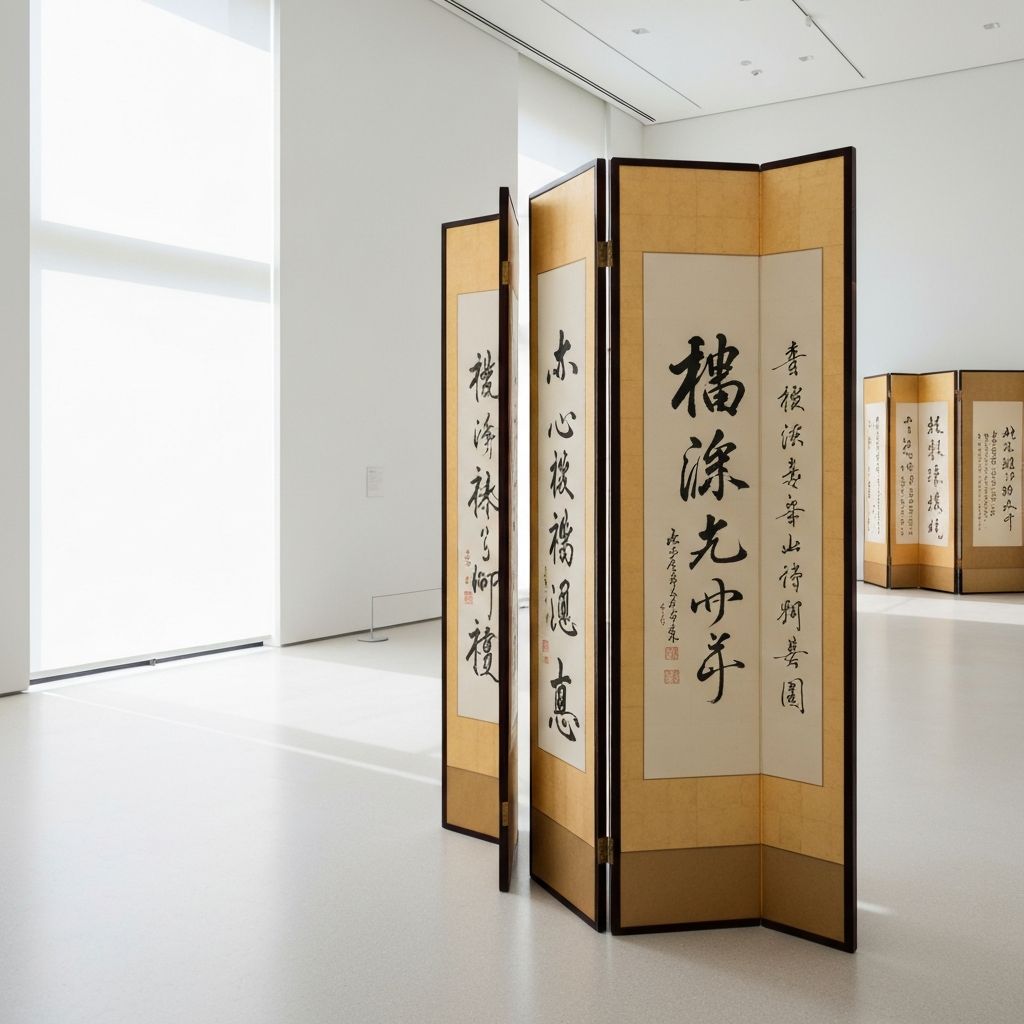
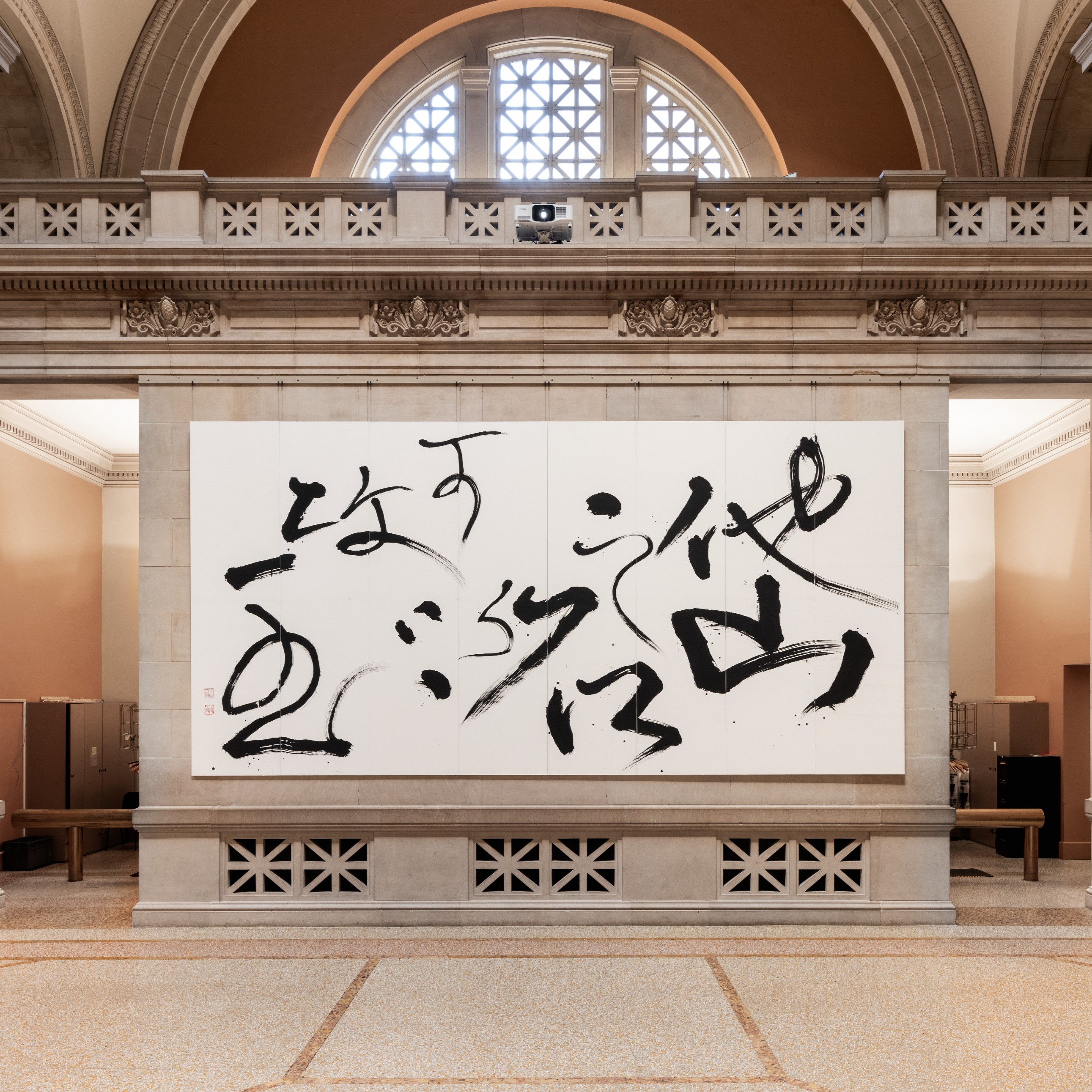
Panel Mount & Architectural Installation
Rigid mounting for permanent or semi-permanent installations, historically used in screens and architectural contexts.
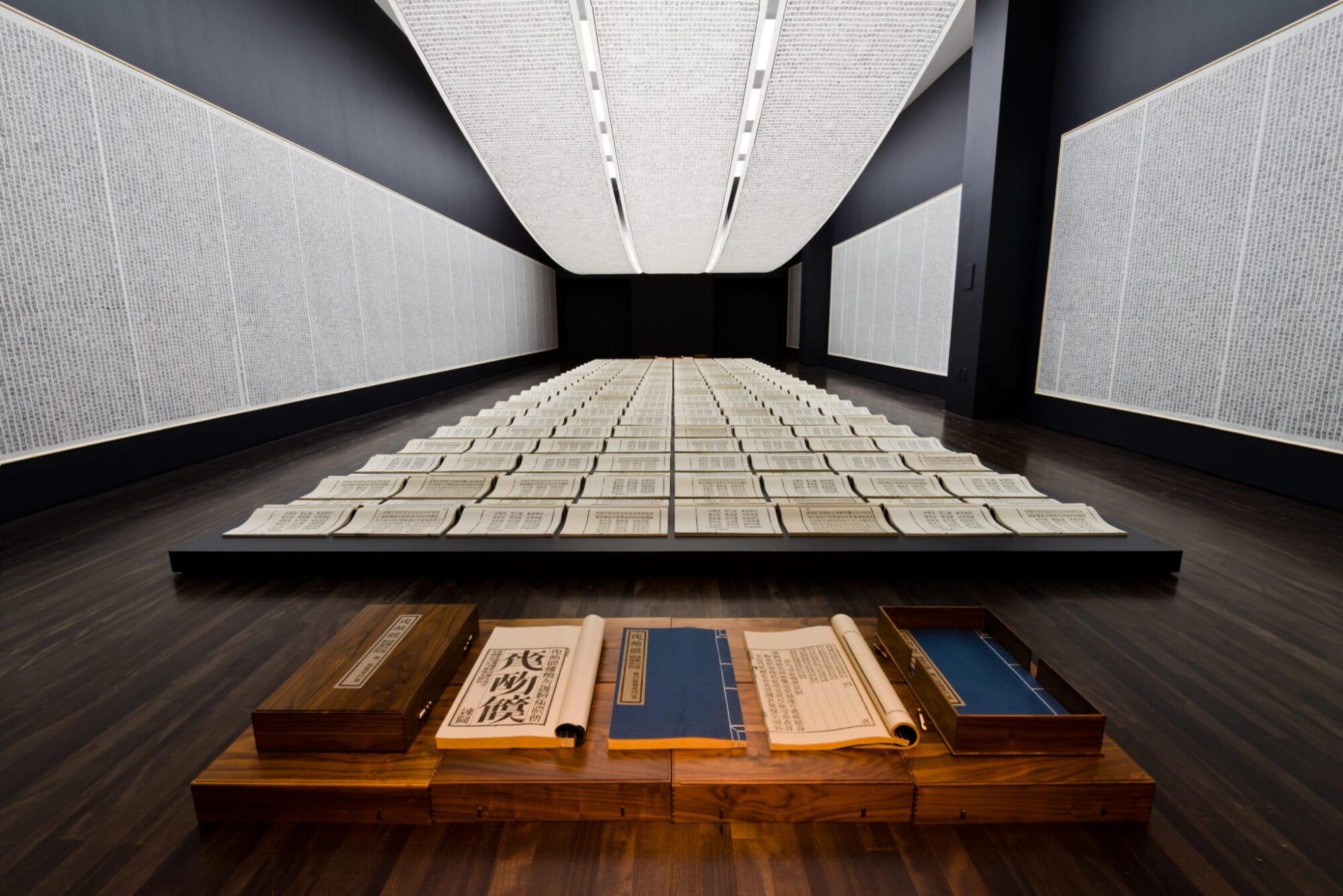
Contemporary & Conceptual Installation
Installation-based presentations that treat calligraphic text as spatial or environmental material. Writing may be suspended, repeated, or integrated architecturally, emphasizing viewer movement and conceptual structure. Associated with contemporary practitioners such as Xu Bing.
Selected Library & Reading List
Classical Theory & History
Historical Models & Rubbings
- Model Letters from the Orchid Pavilion (兰亭集序)
- The Stele Tradition in Chinese Calligraphy
Materials & Practice
- Fu Shan's World: The Transformation of Chinese Calligraphy — Qianshen Bai
- Brush and Ink: A Guide to Chinese Calligraphy
Modern & Scholarly Perspectives
- Chinese Calligraphy and Its Aesthetic Dimension
- Archives of Asian Art (Journal)
Note on Study & Collecting
Calligraphy is best understood not through isolated works, but through sustained exposure to scripts, materials, and historical models. Serious collectors often maintain a personal library alongside their collection, allowing written theory and visual practice to inform one another.